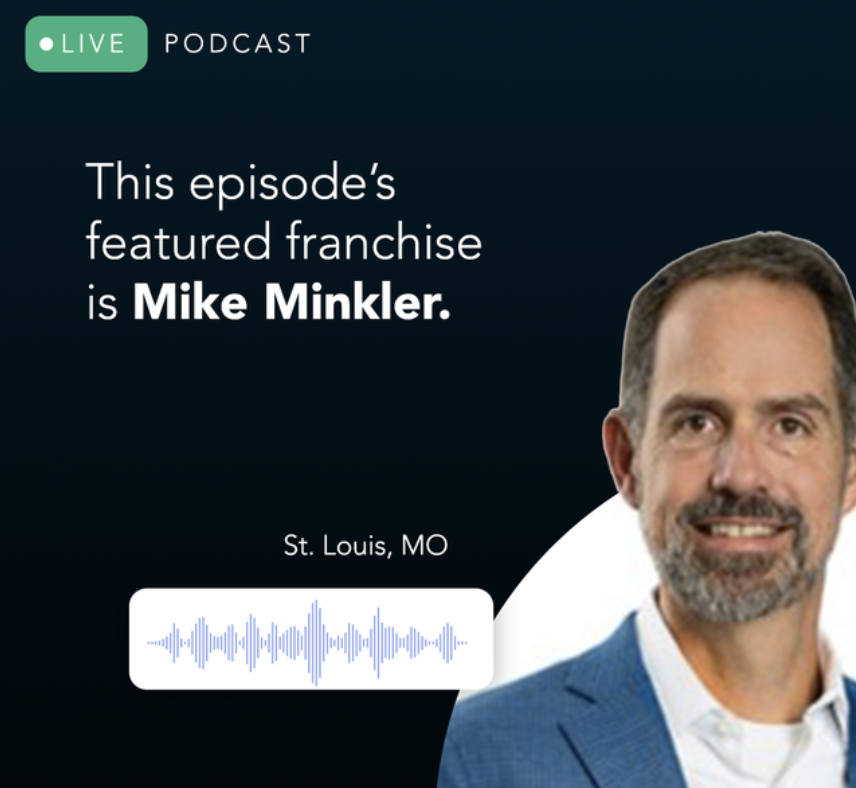
In the world of technology, sixteen years can feel like a century. For Mike Minkler, owner of CMIT Solutions of Clayton in Saint Louis, Missouri, those sixteen years represent a journey from high-level corporate consulting to building a regional powerhouse.
Before joining the CMIT network, Mike’s career was rooted in IT consulting for massive organizations. He specialized in application development and systems integration, thriving on the “intellectual stimulation” of complex, large-scale projects. But deep down, Mike always had an eye on entrepreneurship. When he reached a turning point in his career, he began exploring his options; startups, acquisitions, and eventually, franchising.
Ironically, Mike initially looked at franchising as a way to start a business outside of his technical expertise. But when he found CMIT Solutions, the path became clear. “I’ve got an option where I could leverage some of my knowledge and background,” Mike recalls thinking. The recurring revenue model and the familiarity of the space made it the perfect fit.
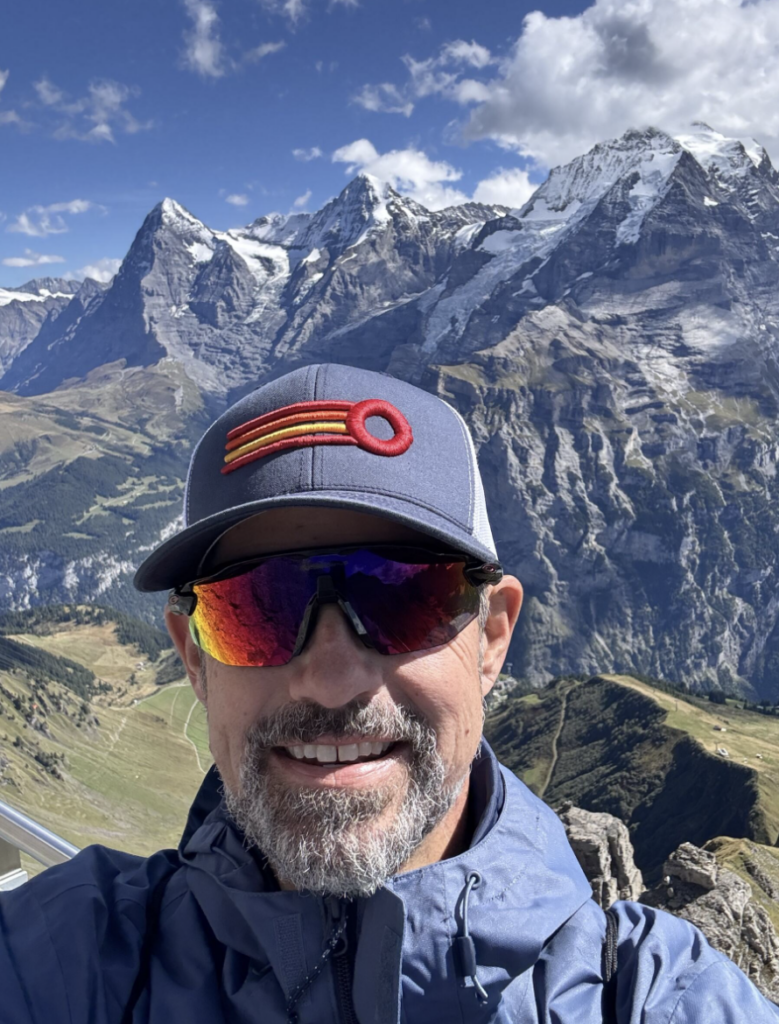
From “Any Revenue” to Radical Standardization
The Mike Minkler of sixteen years ago operated very differently than the Mike Minkler of today. In the early days, he admits his mentality was simply that “any revenue was good revenue.” However, a couple of years in, he realized that chasing every lead was not a sustainable strategy.
He shifted his focus to managed services, eventually narrowing his offering even further. Today, Mike’s operation is built on one standardized service package. He learned the hard way that you cannot be an expert in every vendor on the market.
“We used to say, ‘Hey, whatever they’ve got, we’ll support,'” Mike explains. “But we realized we can’t be experts in all 100 different firewall vendors.” Today, every new client is moved to a standardized stack, including WatchGuard firewalls. This 80% standardization rate allows his team to go deeper into a specific set of tools, resulting in fewer issues and a better experience for the client.
Building a Team of “Proactive” Specialists
Mike’s operation in Saint Louis is known for being exceptionally efficient. Part of that success comes from a strategic decision made a few years ago: shifting away from just having a great help desk to investing in proactive roles.
Mike’s team includes two specialized proactive positions:
-
Account Managers: Three dedicated managers who help clients look at their IT investments and build long-term roadmaps.
-
Technology Success Managers: These specialists look at client environments on a regular basis to catch misconfigurations and aging assets before they turn into end-user problems.
By addressing the root causes of issues, the number of support tickets has decreased substantially. When Mike does hire, he looks for customer service skills and cultural alignment first. “If we can’t make the client feel comfortable and confident, the technical skills don’t really matter,” he says.

The Power of the Saint Louis “Partnership”
One of the most unique aspects of Mike’s story is his role as an Area Developer. Instead of operating as independent, competing franchisees, Mike helped foster a culture of total collaboration in the Saint Louis metro area.
The franchisees in his region share one office space and a single set of resources and staff to service all their clients. They don’t even refer to themselves as independent owners anymore; they are partners.
“It’s taken a lot of trust,” Mike admits. “We’ve always believed that trust and open communication is key. If anyone feels like they aren’t getting their fair share, we have that conversation.”
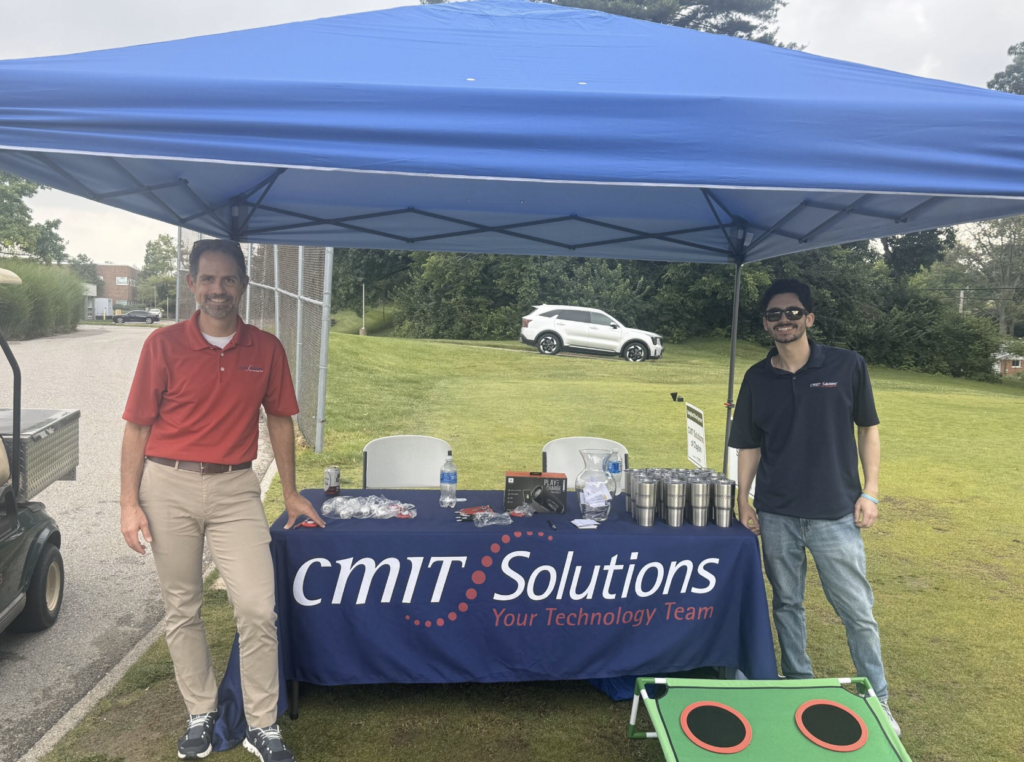
Leading the Charge into the “Wild West” of AI
Even with sixteen years under his belt, Mike is looking toward the future. He has established an internal AI task force using the “Hats AI” platform to find internal efficiencies.
One of Mike’s favorite AI success stories involves client meetings. His team now uses AI to digest the last twelve months of a client’s ticket history, a task that previously took too many labor hours—to identify exactly where staff slowdowns are happening.
While he acknowledges the “shadow AI” security challenges and the initial fear of job elimination among staff, Mike views AI as a tool for better quality, not replacement. “My personal philosophy is you don’t want to wait until the train has left the station,” he says.
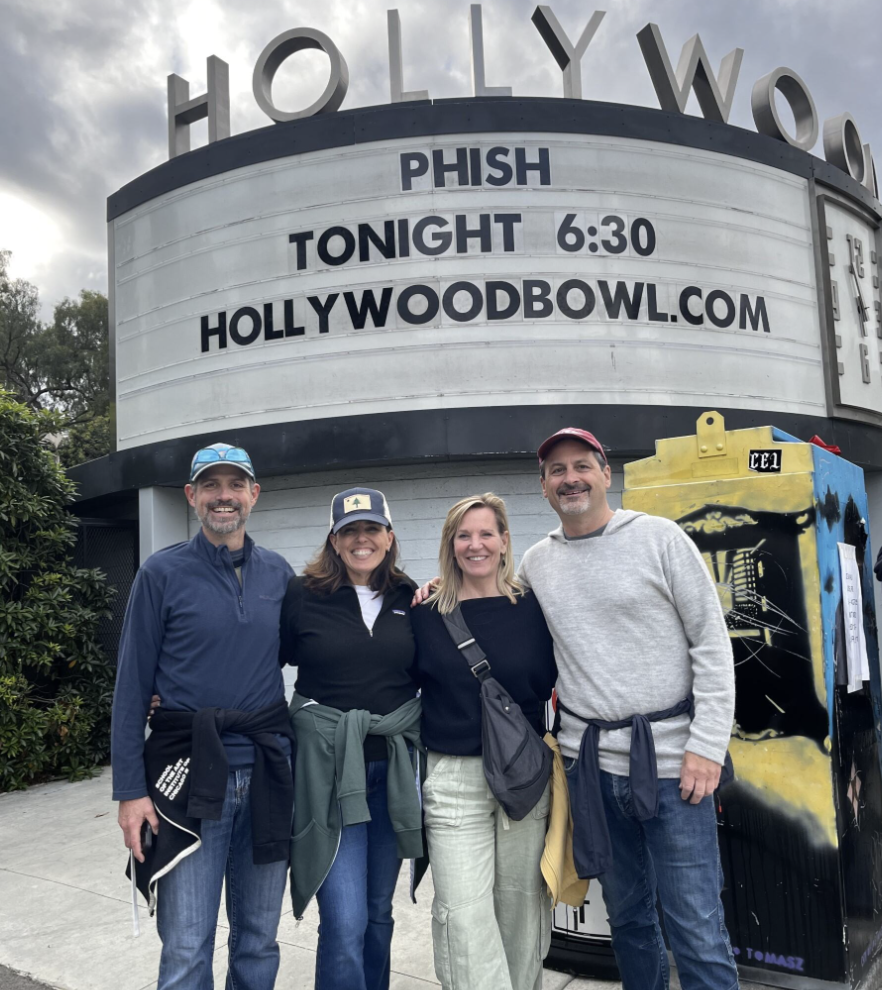
Rapid Fire with Mike Minkler
-
Biggest mistake businesses make with IT: Thinking they can do it on their own.
-
One habit that moves cybersecurity immediately: Think before you click.
-
Favorite part of owning a franchise: The people.
-
One trend shaping the future of IT: AI.

Final Thoughts
Mike’s journey proves that success in IT isn’t about being the “lone wolf” entrepreneur. It is about standardization, a proactive mindset, and the trust required to build a true partnership within your community.
Want to be like Mike?
Learn more about CMIT Solutions franchise opportunities